dir. Mauro Bolognini/Vittorio De Sica/Pier Paolo Pasolini/Franco Rossi/Luchino Visconti
 Dancing around a boiling cauldron?
Jeff GP, NEW YORK CITYFebruary 12, 2007 - 35mm/Film Forum
The Witches is one of a thankfully short string of highly unsuccessful short film collections released as one motion picture. The most famous relatively recent American forays into this medium have been Four Rooms and New York Stories. Like those two pictures, The Witches, is a mixed bag, so mixed in fact, that only one of the pictures displays any ambition and success. Unsurprisingly this short comes from Luchino Visconti, director of the legendary Burt Lancaster epic, The Leopard. This is not the first time Mr. Visconti partook in such a short film exercise. Prior to The Leopard, he directed a segment of Boccaccio ’70, a collaborative short program between himself, Federico Fellini, Mario Monicelli and Vittorio De Sica, who also contributed a short to The Witches.
The thread linking all of the shorts in The Witches' program is the lead actress, Silvana Mangano. It is a celebration of Ms. Mangano’s dexterity as an actress. The five drastically different characters she plays may simply be described as the titular “witches” though only a few demonstrate literal supernatural abilities (none have warts or wear pointed hats). The least supernatural is also the least comedic and most superlative of the shorts, which can all be described classically as “comedy.”
The first short, The Witch Burned Alive, from the aforementioned Mr. Visconti follows Ms. Mangano appropriately playing a beautiful, famous actress worn down by her popularity and the constant fawning of male suitors. She retreats to an old friend’s snowbound resort to escape some of these pressures for reasons initially unclear. Her discomfort is clear from her introduction. Outside the confines of her room she plays the prim and proper entertainer, regaling everyone with her sophisticated beauty; tugging men’s heartstrings this way and that as she is naturally inclined to do. Yet, in private she is on the brink of an emotional breakdown. Her life is in tailspin and nobody can tell. She is pregnant. Pregnancy, in her universe is the end of a career and the start of a many, many things that accompany pregnancy, and her crisis is levied with an appropriate weight and subtle humor. Of course, the “woe is me” attitude of a wealthy beauty cannot help but be funny, though Visconti’s “witch” has kept her pregnancy to herself, because she is tragically unsure of her own personality. All of these threads are very unspoken and play out as our “witch” traverses room to room, a flurry of unpointed emotion. It is wonderful, smart, and thankfully maybe the longest of the shorts.
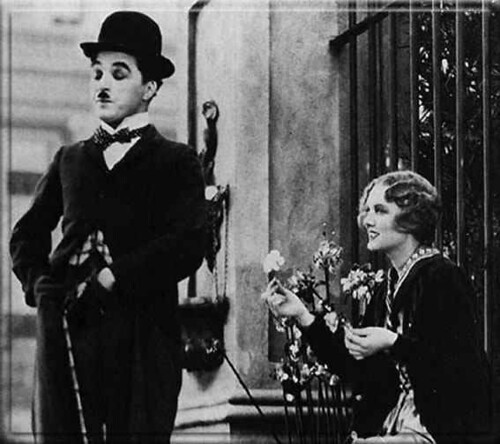
Pier Paolo Pasolini contributes a slapstick fable, The Earth Seen From the Moon, about a doofy father and son team searching for a new woman of the house, as their wife/mother has recently passed. Their misadventures play out as a silent comedy would, all bug-eyes and body jestures, complete with a whirling soundtrack. Ms. Mangano plays a mysterious, beautiful and loving deaf gal, adding a certain contextual flair to enhancing the extreme physicality of the comedy in a way that clearly refers to Charlie Chaplin’s masterpiece, City Lights (where The Tramp falls in love with a beautiful and loving blind gal). Pasolini’s general sense of humor is different from Chaplin's, often drawing from visceral recklessness, but in this case the tempered chaos he attempts, with a neon-bright color palette (never more prevalent than in the father and son’s orange hair), burrows into cartoony tedium. There remain a fine joke hither and thither, but the sheer volume of jokes and numerous misses resemble a live-action episode of The Family Guy.
Speaking of cartoons, the two least known directors in the program, Mauro Bolognini and Franco Rossi, contribute very brief, slightly amusing tales that could be told in a single panel comic plunked between a Henrik Hertzberg and Lauren Collins piece of The New Yorker’s “The Talk of the Town”. A young “witch” rescues an injured man from a car wreck and appears to speed him off in the direction of the hospital. As she passes a hospital it is revealed, she just wants an excuse to drive fast and meet her date in time! THE END!
Perhaps the only segment of The Witches Americans may be farmiliar with is Vittoria De Sica’s An Evening Like the Others co-starring Ms. Mangano and a boyish Clint Eastwood. Eastwood plays the silly, repressed American husband to a sexually dissatisfied Italian wife. He complains of being tired and calmly refuses nights out on the town. His wife bottles up her anger, releasing it in flights of daydream musical fantasy sequences. It is amusing to see Eastwood so unhinged in these fantasy sequences, with his prevalent, unencumbered sexuality on display, though the simple representations of the spouses in the non-fantasy sequences is the stuff of, well, short movies (pleasantly light, when not attempting to be uncomfortably heavy). Like in Pasolini’s short the joke gets old and drags into the horrifying predicament of the movie short that is just too long.
Someday, The Witches will be released in a digestible DVD format, where you can pleasantly spread the shorts out or just relish Visconti’s over and over again. But, for now, if you speak Italian, enjoy the slightly sped up version that youtube has to offer, complete with Ennio Morricone’s finest score of the picture.
This is part of the ongoing Morricone Festival coverage.
 Dancing around a boiling cauldron?
Jeff GP, NEW YORK CITYFebruary 12, 2007 - 35mm/Film Forum
The Witches is one of a thankfully short string of highly unsuccessful short film collections released as one motion picture. The most famous relatively recent American forays into this medium have been Four Rooms and New York Stories. Like those two pictures, The Witches, is a mixed bag, so mixed in fact, that only one of the pictures displays any ambition and success. Unsurprisingly this short comes from Luchino Visconti, director of the legendary Burt Lancaster epic, The Leopard. This is not the first time Mr. Visconti partook in such a short film exercise. Prior to The Leopard, he directed a segment of Boccaccio ’70, a collaborative short program between himself, Federico Fellini, Mario Monicelli and Vittorio De Sica, who also contributed a short to The Witches.
The thread linking all of the shorts in The Witches' program is the lead actress, Silvana Mangano. It is a celebration of Ms. Mangano’s dexterity as an actress. The five drastically different characters she plays may simply be described as the titular “witches” though only a few demonstrate literal supernatural abilities (none have warts or wear pointed hats). The least supernatural is also the least comedic and most superlative of the shorts, which can all be described classically as “comedy.”
The first short, The Witch Burned Alive, from the aforementioned Mr. Visconti follows Ms. Mangano appropriately playing a beautiful, famous actress worn down by her popularity and the constant fawning of male suitors. She retreats to an old friend’s snowbound resort to escape some of these pressures for reasons initially unclear. Her discomfort is clear from her introduction. Outside the confines of her room she plays the prim and proper entertainer, regaling everyone with her sophisticated beauty; tugging men’s heartstrings this way and that as she is naturally inclined to do. Yet, in private she is on the brink of an emotional breakdown. Her life is in tailspin and nobody can tell. She is pregnant. Pregnancy, in her universe is the end of a career and the start of a many, many things that accompany pregnancy, and her crisis is levied with an appropriate weight and subtle humor. Of course, the “woe is me” attitude of a wealthy beauty cannot help but be funny, though Visconti’s “witch” has kept her pregnancy to herself, because she is tragically unsure of her own personality. All of these threads are very unspoken and play out as our “witch” traverses room to room, a flurry of unpointed emotion. It is wonderful, smart, and thankfully maybe the longest of the shorts.
Pier Paolo Pasolini contributes a slapstick fable, The Earth Seen From the Moon, about a doofy father and son team searching for a new woman of the house, as their wife/mother has recently passed. Their misadventures play out as a silent comedy would, all bug-eyes and body jestures, complete with a whirling soundtrack. Ms. Mangano plays a mysterious, beautiful and loving deaf gal, adding a certain contextual flair to enhancing the extreme physicality of the comedy in a way that clearly refers to Charlie Chaplin’s masterpiece, City Lights (where The Tramp falls in love with a beautiful and loving blind gal). Pasolini’s general sense of humor is different from Chaplin's, often drawing from visceral recklessness, but in this case the tempered chaos he attempts, with a neon-bright color palette (never more prevalent than in the father and son’s orange hair), burrows into cartoony tedium. There remain a fine joke hither and thither, but the sheer volume of jokes and numerous misses resemble a live-action episode of The Family Guy.
Speaking of cartoons, the two least known directors in the program, Mauro Bolognini and Franco Rossi, contribute very brief, slightly amusing tales that could be told in a single panel comic plunked between a Henrik Hertzberg and Lauren Collins piece of The New Yorker’s “The Talk of the Town”. A young “witch” rescues an injured man from a car wreck and appears to speed him off in the direction of the hospital. As she passes a hospital it is revealed, she just wants an excuse to drive fast and meet her date in time! THE END!
Perhaps the only segment of The Witches Americans may be farmiliar with is Vittoria De Sica’s An Evening Like the Others co-starring Ms. Mangano and a boyish Clint Eastwood. Eastwood plays the silly, repressed American husband to a sexually dissatisfied Italian wife. He complains of being tired and calmly refuses nights out on the town. His wife bottles up her anger, releasing it in flights of daydream musical fantasy sequences. It is amusing to see Eastwood so unhinged in these fantasy sequences, with his prevalent, unencumbered sexuality on display, though the simple representations of the spouses in the non-fantasy sequences is the stuff of, well, short movies (pleasantly light, when not attempting to be uncomfortably heavy). Like in Pasolini’s short the joke gets old and drags into the horrifying predicament of the movie short that is just too long.
Someday, The Witches will be released in a digestible DVD format, where you can pleasantly spread the shorts out or just relish Visconti’s over and over again. But, for now, if you speak Italian, enjoy the slightly sped up version that youtube has to offer, complete with Ennio Morricone’s finest score of the picture.
This is part of the ongoing Morricone Festival coverage.